Industrial, Manufacturing & Supply Chain · IoT Tool Diagnostic Engineering for Internal Reliability Decisions
IoT Tool Diagnostic Engineering for Internal Reliability Decisions
Turning connected-product signals into better decisions for engineering and support teams
The Client · A global manufacturer of professional-grade power tools and accessories
Overview
A major global manufacturer of professional-grade power tools and accessories engaged Taller in 2021 to support its connected-products software and data platform. The engagement spanned four workstreams: ERP integration and migration, an Azure and Databricks data platform, the React and AWS Serverless diagnostics team, and EDI managed services.
The Problem
The client’s connected-products strategy ran on a layered architecture. The customer-facing surface (the jobsite-management platform, with its inventory, geofencing, lockout, torque reporting, and Procore and Autodesk BIM 360 integrations) was what contractors saw and used on site. Beneath it sat a second, far less visible surface: the internal diagnostic and reliability-engineering layer, which consumed the same data the tools generated (their IoT telemetry, the readings a networked device sends back over the internet) and let the client’s reliability engineers spot quality issues and influence future product decisions. That internal layer was what kept the customer-facing one credible over time, and the diagnostic discipline behind the hardware was what kept the whole strategy improving.
The Solution
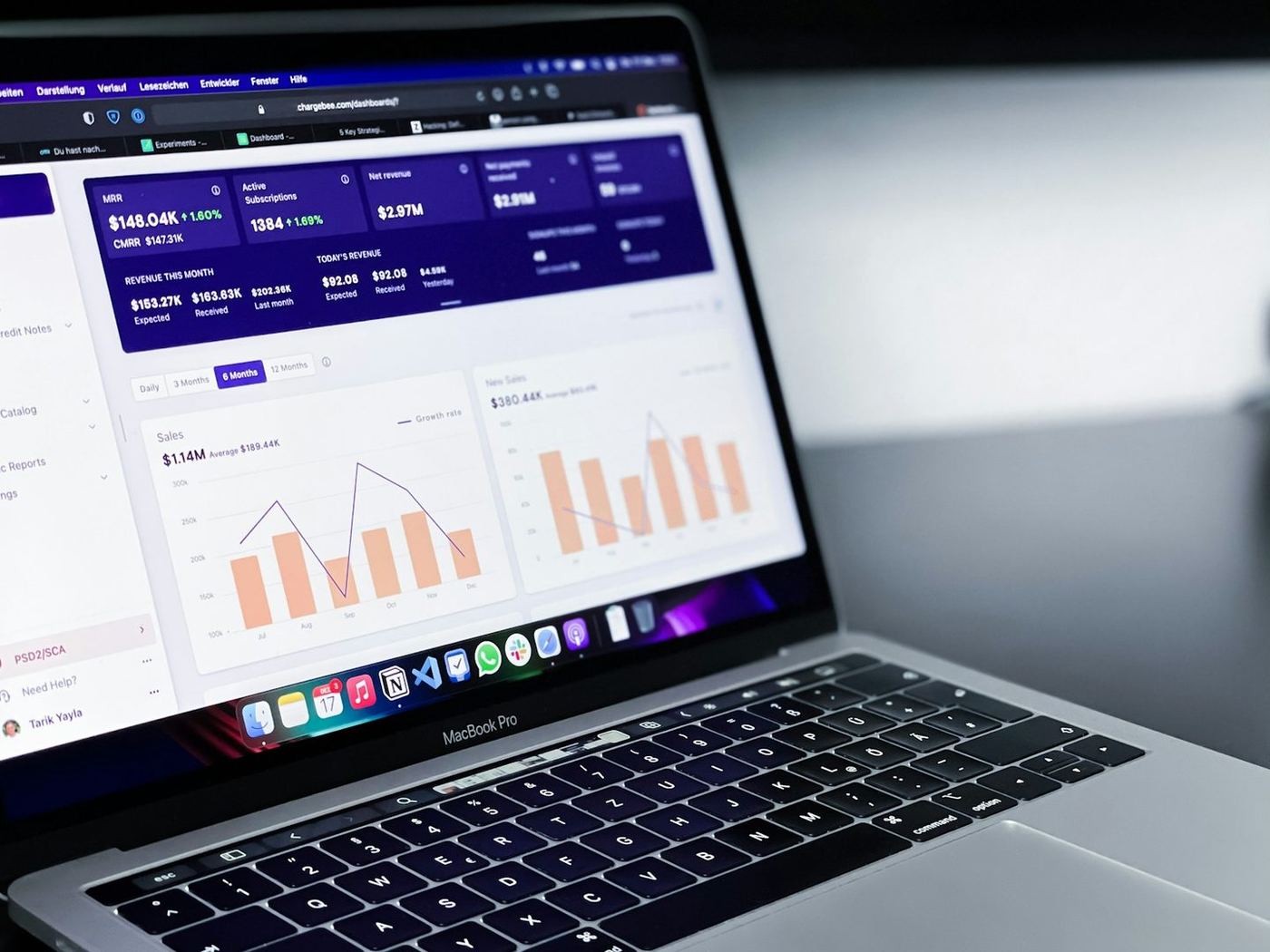
Taller’s engineers on this workstream built the application and the data-extraction pipeline that connected to the client’s IoT-enabled tools, visualized their diagnostic data, and extracted it for analysis, giving the client’s reliability engineers what they needed to identify quality issues and shape product development. The front end was built in React; the data-extraction side ran on AWS Serverless: Step Functions to orchestrate the flow, Lambda for the compute, API Gateway for the integrations, and DynamoDB and DocumentDB to store the diagnostic data. Taller did not operate the customer-facing jobsite platform itself; that was owned by the client’s internal product organization. This internal diagnostic workstream sat beneath that consumer platform and alongside it: same source of telemetry, different audience, different software underneath.
The Impact
Taller sustained this IoT diagnostic workstream across 2023, 2024, and 2025, with consistently positive feedback from the client’s internal reliability-engineering and IT-manager counterparts. The decision-making foundation that the diagnostic tools fed compounded with the client’s broader product strategy across other portfolio expansions.
More case studies